You’ve got a lot of joints in your body: Hinge joints (your knees, for example), ball and socket joints (your hip, for example) and saddle joints (you’ve got one in your thumb). Which means there is plenty of opportunity for joint pain. But firstly, what are joints? Joints are points where bones meet, covered in cartilage at their ends to smooth the friction of movement. Tendons and ligaments support the moving joints in your body, while muscles initiate and sustain movement. They’re complex things, so it’s not surprising that sometimes things go wrong and you experience joint pain. Sometimes things get a bit stuck. Joints can be irritated and inflamed through overuse, injury, and arthritis; surrounding muscles that should support the joint may become imbalanced in terms of strength and flexibility.
Without movement to stimulate synovial fluid, the joint becomes stiffer and more painful. Muscles, tendons, and ligaments tense to support the pained joint, potentially creating even more pain. Meanwhile, you attempt to carry on with normal life, limping on the injured joint. Or perhaps you attempt to rest it completely. But both options create more pain. However, there is another way — it’s time to call your osteopath.
What can my Osteopath do to mobilise a joint?
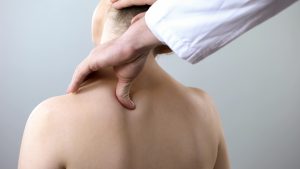
Your osteopath understands your musculoskeletal system and will employ manual manipulation techniques to mobilise your “stuck” joint. This will usually involve stabilising one segment of the joint while applying force to the other, usually in the direction of the tightness. The pressure may be forceful and seemingly sudden, or gentle and oscillating. But the result is the same — a return to a fuller range of motion for the joint, a reduction in pain and improved balance and functionality of the joint and surrounding muscles. What sort of mobilisation treatment is appropriate will be determined by your symptoms, causes, and the anatomy of the joint. Mobilisations can treat pain and stiffness in any of the body’s joints. However they’re particularly sought after for shoulder pain, chronic back pain, heel pain caused by plantar fasciitis, tennis elbow (lateral epicondylitis), ankle pain and knee osteoarthritis.
What does treatment feel like?
Joint mobilisation should not hurt. Many patients experience almost immediate relief from pain. Some patients experience a little soreness in the area worked on for a day or two afterwards.
Following your treatment, your osteopath will prescribe exercises to maintain and build upon your mobility gains. It’s important that you follow this program of exercises. Because the movement patterns that caused problems in the first place are likely to reoccur.
Joint mobilisations are a non-invasive option for dealing with the pain and debilitating effects of reduced range of motion in your joints. If you think you might benefit, call 01634 420046 / 01622 260101 to make an appointment with the osteopaths at Tim Wood Healthcare today. Our Rainham & Maidstone osteopathic clinics are just a phone call away.