Uncategorized
Menopause Joint Pain: Causes and What Actually Helps
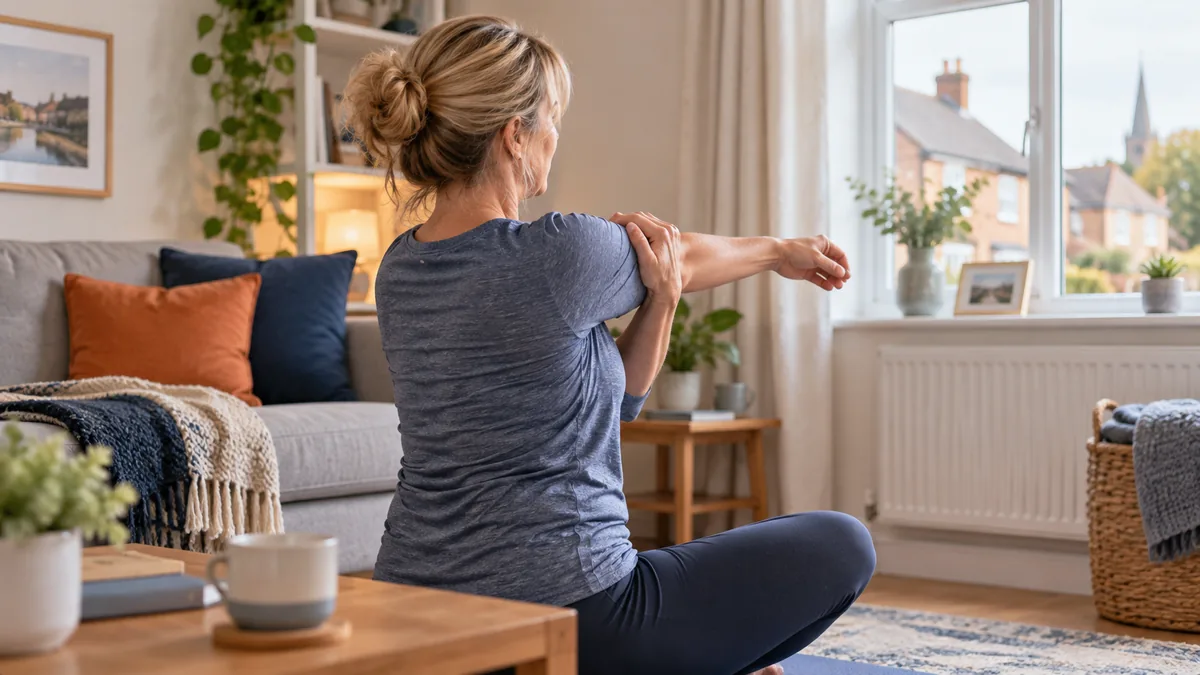
Menopause joint pain affects most women in perimenopause. Our Rainham and Maidstone osteopaths explain why it happens and what genuinely helps.


Menopause joint pain affects most women in perimenopause. Our Rainham and Maidstone osteopaths explain why it happens and what genuinely helps.

Tennis elbow usually settles with load management and targeted exercise rather than rest alone, and osteopathy can ease the pain while addressing the wrist, shoulder and neck that feed into it.

Osteopathy will not force a frozen shoulder to unfreeze overnight, but hands-on treatment alongside a gentle home exercise programme can ease the pain, protect the movement you still have, and help you recover more comfortably through each stage.

Most neck and shoulder pain comes from one of three things: tight upper trapezius and levator scapulae muscles from desk work, referred pain between the neck and shoulder, or postural strain that builds up over weeks. Heat, gentle movement, sleeping on your back with the right pillow, and hands-on treatment will sort the majority of cases.
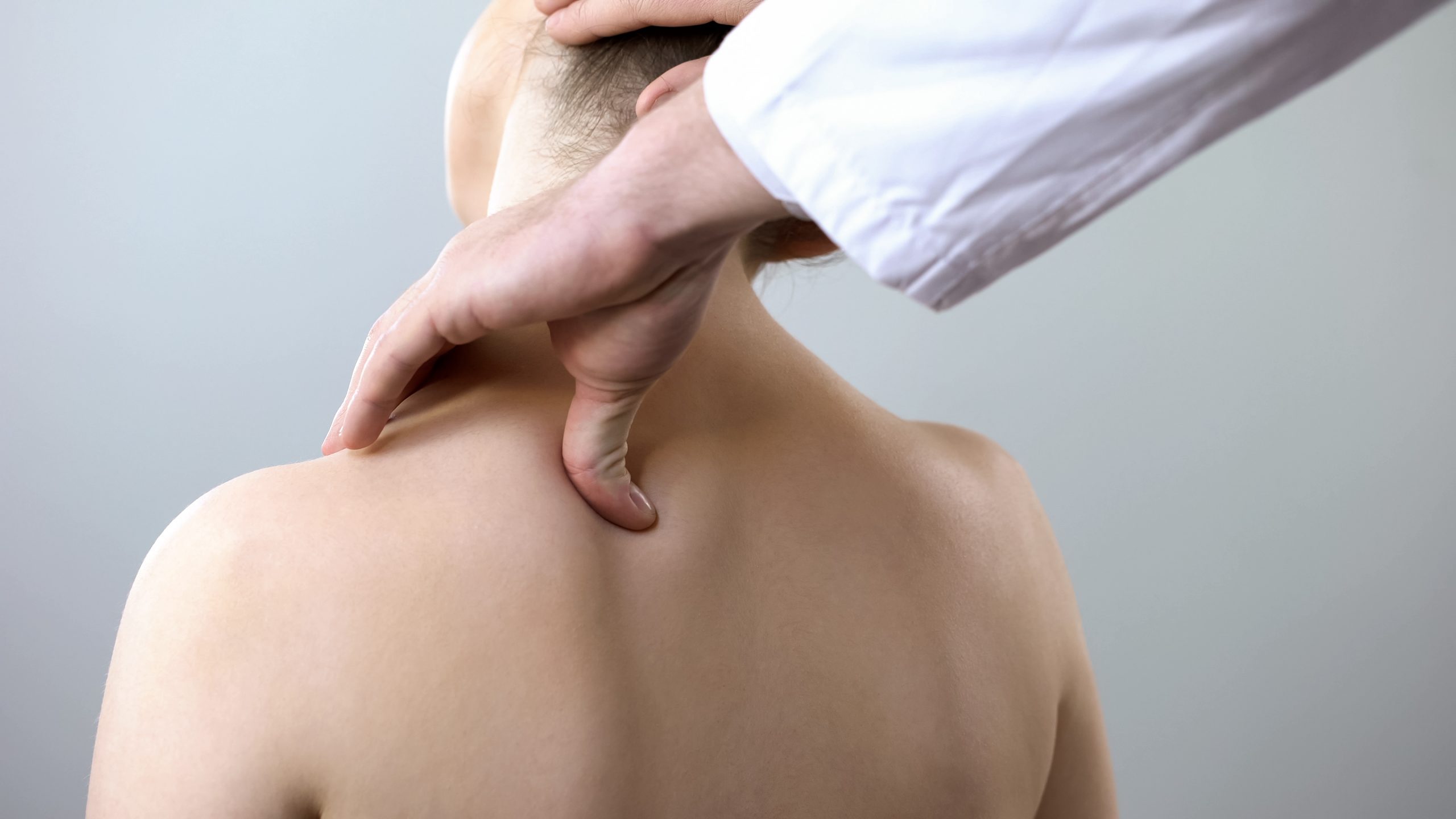
Most tension headaches are driven by tightness in the upper neck and shoulder muscles, particularly the suboccipital muscles at the base of the skull and the upper trapezius. Heat, gentle neck movement, a posture reset, hydration and hands-on treatment to release those muscles will settle the majority of cases. Painkillers manage the symptom; treating the neck addresses the cause.

Unsure whether massage therapy or osteopathy is right for you? This guide explains how each approach works and helps you choose the most suitable treatment.

Thinking about getting active again? This guide from an osteopath explains how to prepare your body, build strength gradually and stay injury-free when starting a new fitness routine.

Discover easy self-massage techniques you can try at home to relieve everyday tension in the neck, shoulders and lower back. An osteopath explains how to use simple pressure and gentle movements safely and effectively.
Not all ergonomic gadgets live up to their claims. Here, an osteopath shares practical recommendations and tips to help you choose devices that support posture, movement and musculoskeletal health — without over‑reliance on tech.

Discover simple weekend habits that help you maintain the benefits of your osteopathic treatment. From gentle movement to mindful relaxation, these osteopath-approved tips support mobility, reduce tension, and keep your body feeling its best throughout the week.
Winter brings back stiffness and aches, but simple steps and professional support can keep your back healthy. Learn practical tips for Rainham residents from Tim Wood Healthcare.

Planning a long walk along the Medway Valley? Learn practical osteopathy tips for preparation, posture, and recovery to keep your joints and muscles pain-free on scenic Kent trails.

Sitting for long periods can cause neck, back, and shoulder tension, as well as stiffness and poor posture. Incorporating short daily stretches and osteopathic care helps maintain mobility, ease discomfort, and support overall wellbeing.

