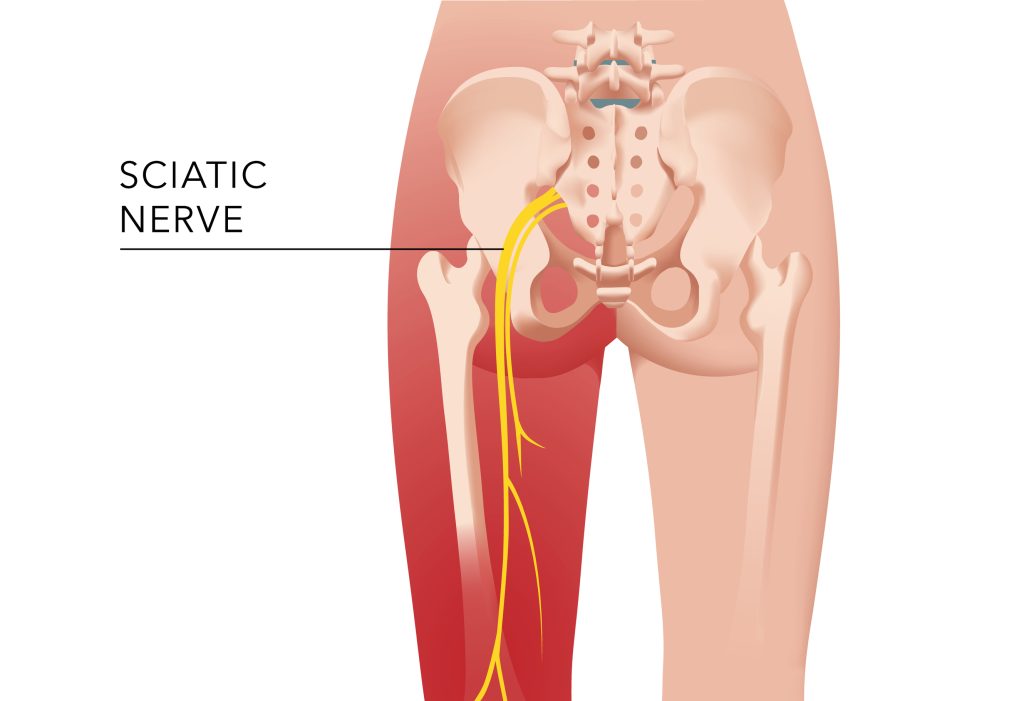
Sciatica is one of the most common reasons people visit our Rainham clinic — and one of the most misunderstood. The word “sciatica” gets used to describe almost any pain in the leg, but the condition has very specific causes and treatments. For many people in Rainham, the big question is: can osteopathy really help with sciatica?
The short answer is yes — in many cases, osteopathy can provide relief and help prevent sciatica from coming back. But the longer answer is worth exploring, because sciatica isn’t the same for everyone.
What Is Sciatica?
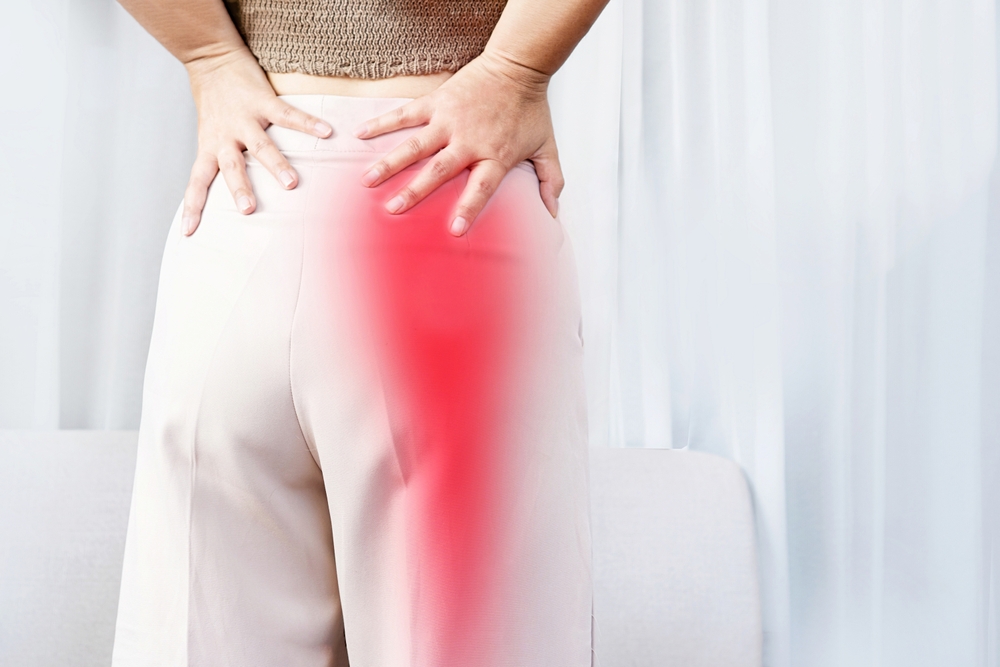
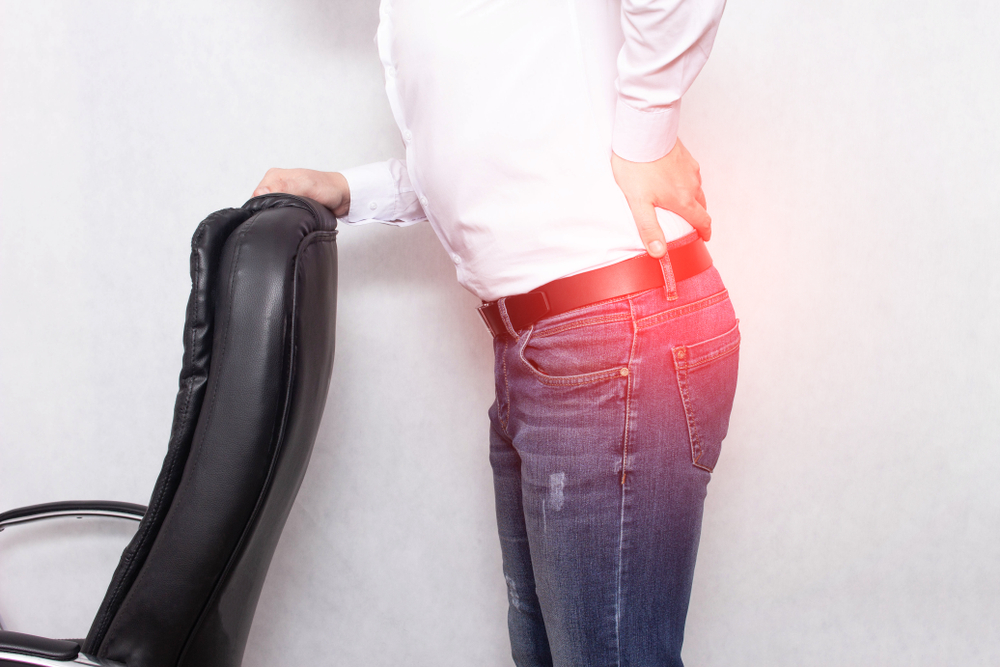
Sciatica isn’t a diagnosis in itself — it’s a symptom. It refers to pain caused by irritation or compression of the sciatic nerve, the longest nerve in the body, which runs from the lower back down to the feet.
Common signs include:
- Pain in the lower back, buttock, or leg (sometimes sharp, sometimes dull).
- Tingling or “pins and needles” down the leg.
- Numbness or weakness in the affected area.
- Pain that worsens when sitting or standing for long periods.
In Rainham, we often see sciatica triggered by long commutes, desk-based jobs, or heavy lifting in everyday life.
What Causes Sciatica?
The most common causes include:
- Herniated disc – when part of a spinal disc presses on the nerve.
- Spinal wear and tear – changes in the spine due to ageing can narrow nerve spaces.
- Muscle tightness – particularly in the buttocks, which can irritate the nerve.
- Posture problems – long periods of sitting, often linked to commuting or desk work.
Understanding the cause is key — because successful treatment depends on more than just managing the pain.
How Osteopathy Can Help
Osteopathy is a holistic, hands-on approach that focuses on the body’s structure and function. For sciatica, osteopaths aim to:
- Relieve pressure on the nerve – Gentle joint mobilisation and soft tissue techniques can ease tight muscles and improve spinal movement.
- Reduce pain and inflammation – Hands-on treatment supports circulation and mobility, which may reduce irritation around the sciatic nerve.
- Identify and address root causes – An osteopath doesn’t just treat symptoms. They look at posture, lifestyle, and habits that may have contributed to the problem in the first place.
- Support recovery with advice – Patients often leave with personalised stretches, exercises, and posture guidance to help prevent future flare-ups.
What to Expect at an Appointment
At Tim Wood Healthcare in Rainham, a typical first osteopathy session for sciatica includes:
- Case history – understanding when the pain started, what makes it worse, and any relevant medical background.
- Examination – a series of neurological, orthopaedic, and osteopathic checks to confirm that the problem really is sciatica and not something else.
- Treatment – hands-on techniques to relieve muscle tension, improve mobility, and reduce irritation.
- Advice – from simple stretches to workplace posture changes, tailored to each individual.
This combination means treatment goes beyond temporary relief — it aims to reduce recurrence as well.
When to Seek Medical Attention Urgently
Most cases of sciatica improve with conservative treatment, but there are red flags to watch for:
- Loss of bladder or bowel control.
- Severe or worsening weakness in the leg.
- Sudden, unexplained weight loss or fever alongside pain.
If any of these occur, urgent medical attention is required. Osteopaths are trained to spot these warning signs and refer patients when necessary.
Sciatica in Rainham: A Local Perspective
Sciatica is particularly common among Rainham residents because of lifestyle factors. Many people commute long distances to London, spending hours sitting each day. Others have physically demanding jobs or spend weekends gardening and doing DIY. All of these can put strain on the lower back and trigger sciatic pain.
By raising awareness of posture, movement, and early intervention, we hope more people in Rainham can avoid long-term discomfort.
So, can osteopathy help with sciatica? For many Rainham residents, the answer is yes. While it may not be the right solution in every single case, osteopathy offers a safe, non-invasive approach that addresses both pain relief and the underlying causes.
If sciatica is stopping you from living comfortably, it may be time to explore how osteopathy could support your recovery.