


When back or joint pain strikes, many people in Rainham ask the same question: who should I see? Osteopath, chiropractor, physiotherapist — the terms often get used interchangeably, but they are not the same. Each profession has its own training, techniques, and approach.
Understanding the differences can make it easier to choose the right path for your needs. This guide explains what sets these practitioners apart, what they have in common, and how to decide who might be best placed to help you.
What an Osteopath Does
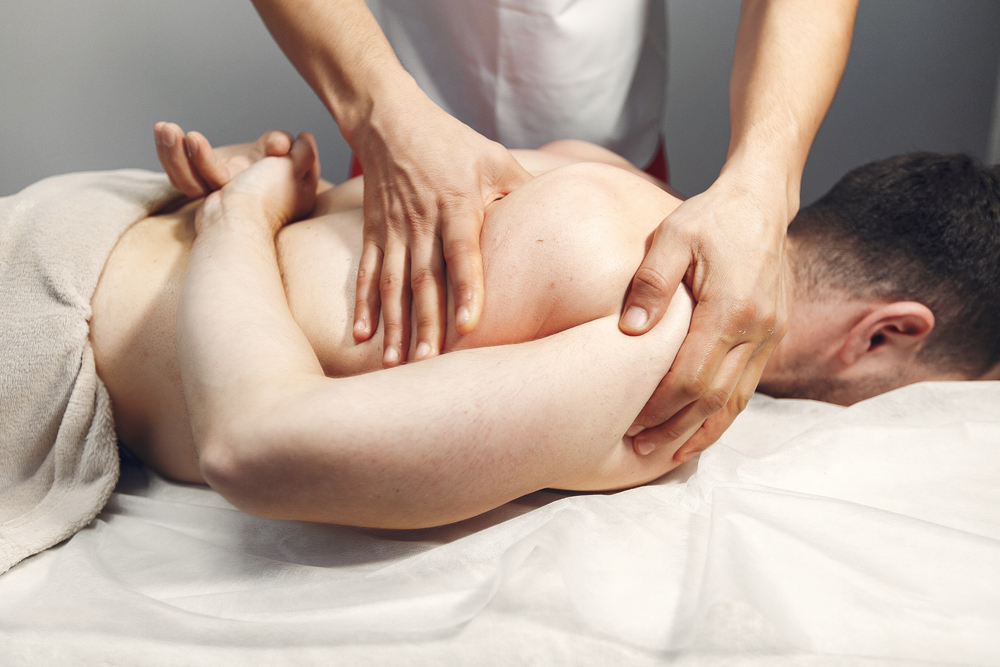

Osteopathy is a system of diagnosis and treatment that focuses on the body’s structure and how it functions. In the UK, osteopaths are regulated by the General Osteopathic Council and typically complete a four-year degree.
Key features of osteopathy:
- Whole-body approach: looks beyond the painful area to consider posture, movement, and lifestyle.
- Hands-on treatment: including stretching, massage, and joint mobilisation.
- Commonly treated problems: back pain, neck pain, sciatica, sports injuries, headaches linked to muscle tension.
- Prevention focus: advice on exercise, posture, and habits to stop problems recurring.
At Tim Wood Healthcare’s Rainham clinic, this is often the first choice for people who want a natural, drug-free way of managing pain.
What a Chiropractor Does


Chiropractic care is also hands-on but tends to focus more closely on the spine and nervous system. Chiropractors are regulated by the General Chiropractic Council and also complete extensive training.
Key features of chiropractic:
- Spinal adjustments: high-velocity thrusts are a common technique.
- Nervous system focus: the idea that spinal alignment can influence overall health.
- Commonly treated problems: back and neck pain, headaches, joint issues.
- Regular sessions: treatment plans often involve more frequent visits.
Some patients prefer chiropractic for its focus on spinal alignment. Others find the approach too narrow compared to osteopathy’s whole-body view.
What a Physiotherapist Does


Physiotherapy is often available through the NHS as well as privately. Physiotherapists are regulated by the Health and Care Professions Council and can work in hospitals, clinics, or private practice.
Key features of physiotherapy:
- Exercise-based rehabilitation: using tailored exercise programmes to build strength and mobility.
- Modalities: may include ultrasound, taping, or electrotherapy.
- Commonly treated problems: post-surgical rehabilitation, sports injuries, stroke recovery, joint pain.
- Focus on function: helping patients return to daily activities after injury or illness.
Physiotherapy is sometimes more exercise-led and less hands-on than osteopathy or chiropractic.
Similarities and Overlap
Despite their differences, these three professions have a lot in common:
- All help people with musculoskeletal pain.
- All are regulated, degree-level professions.
- All aim to reduce pain and improve movement.
- All can complement each other in certain cases.
It’s not unusual for patients to try more than one approach over time — sometimes combining physiotherapy exercises with osteopathy treatment, for example.
How to Choose the Right Practitioner
Deciding who to see depends on your condition, your goals, and your preferences.
- For a holistic, hands-on approach → Osteopathy may be best.
- For spinal adjustments and a nervous system focus → Chiropractic may be preferred.
- For rehabilitation after surgery or injury → Physiotherapy is often recommended.
Consider:
- What’s causing your pain?
- Do you prefer hands-on treatment or guided exercise?
- Do you want ongoing prevention advice as well as symptom relief?
Why Rainham Residents Ask This Question
In Rainham and the wider Medway area, there are osteopaths, chiropractors, and physiotherapists all within easy reach. With so much choice, it can feel confusing. Many people come to Tim Wood Healthcare after trying another approach, or after being referred to physiotherapy but finding they want more hands-on care.
The important thing is not to delay seeking help. Early treatment — whichever route you choose — usually leads to better outcomes.
Osteopaths, chiropractors, and physiotherapists all play valuable roles in helping people manage pain and improve mobility. Each profession brings a slightly different perspective and set of techniques.
For Rainham residents, the best choice often comes down to what feels right for you. If you’re unsure, consider speaking with a practitioner directly. A conversation can often clarify whether their approach matches your needs.

